Discover
our Savoir-Faire
Only
Verified
MATERIALS
Each piece begins not in a workshop but in the earth itself sourced, screened, and certified before a single hand touches the wheel. Purity is not our promise. It is our proof.
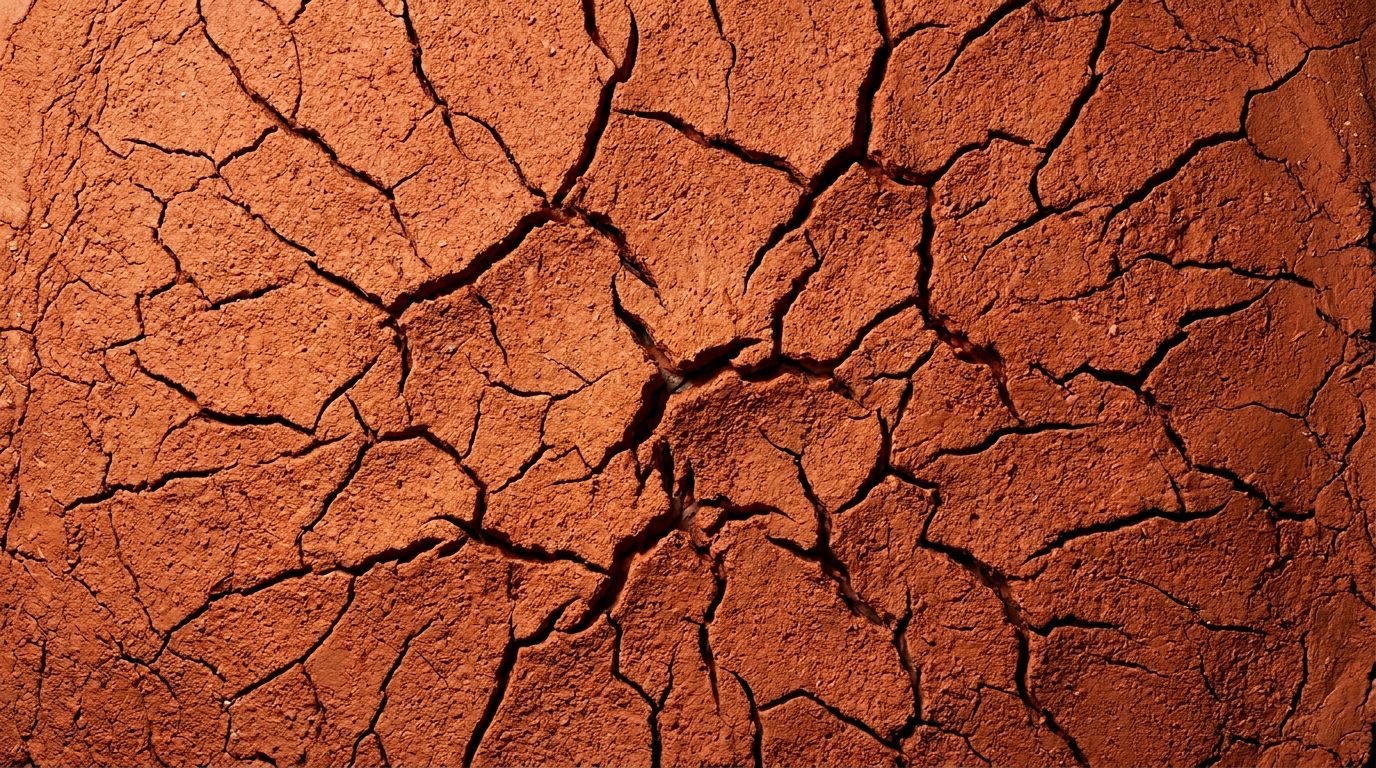
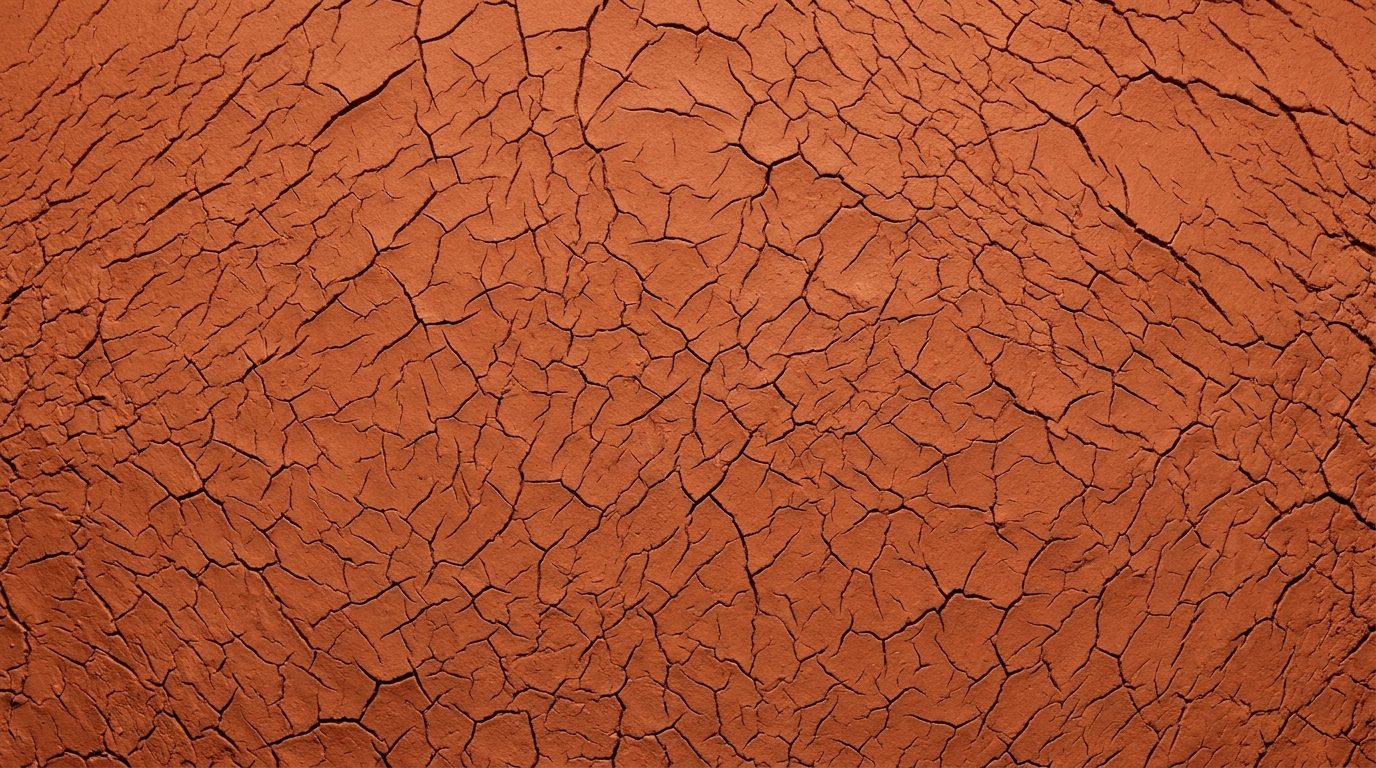
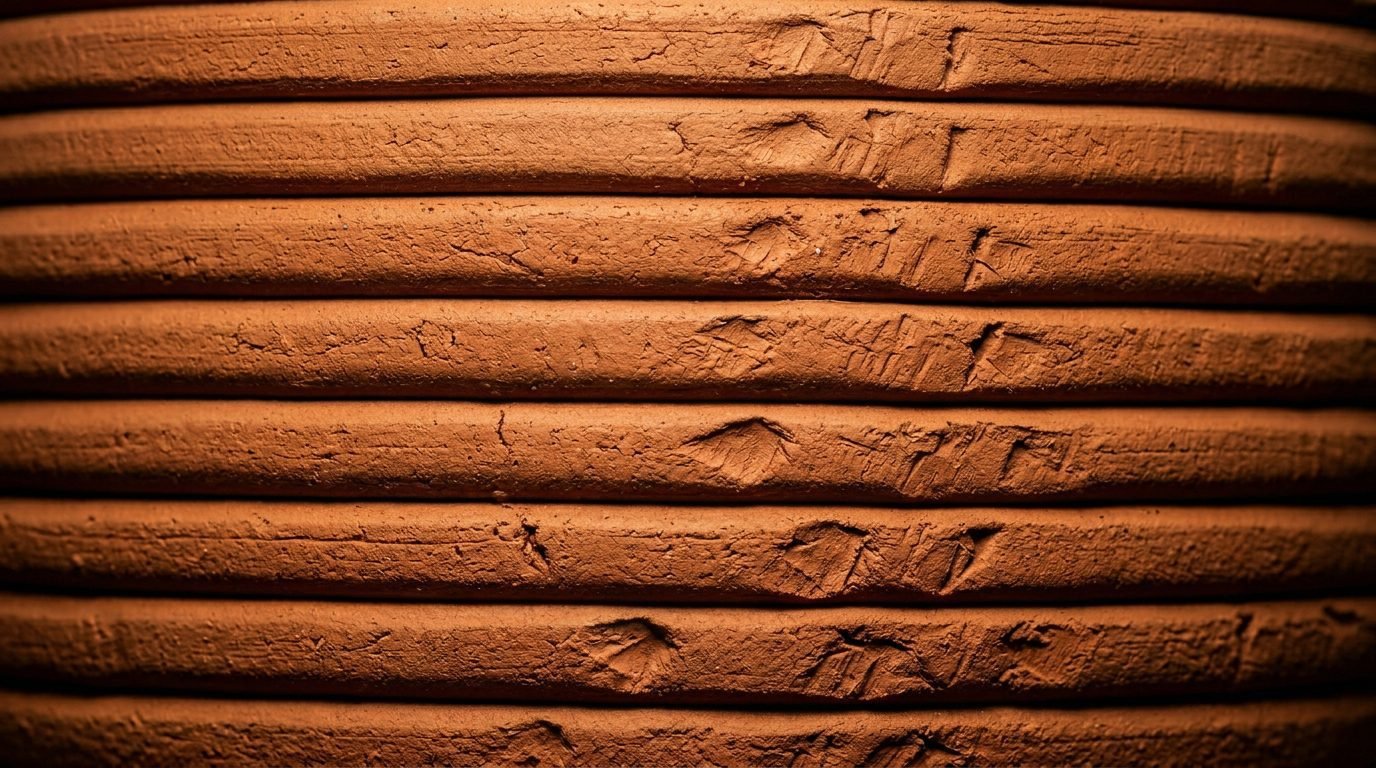
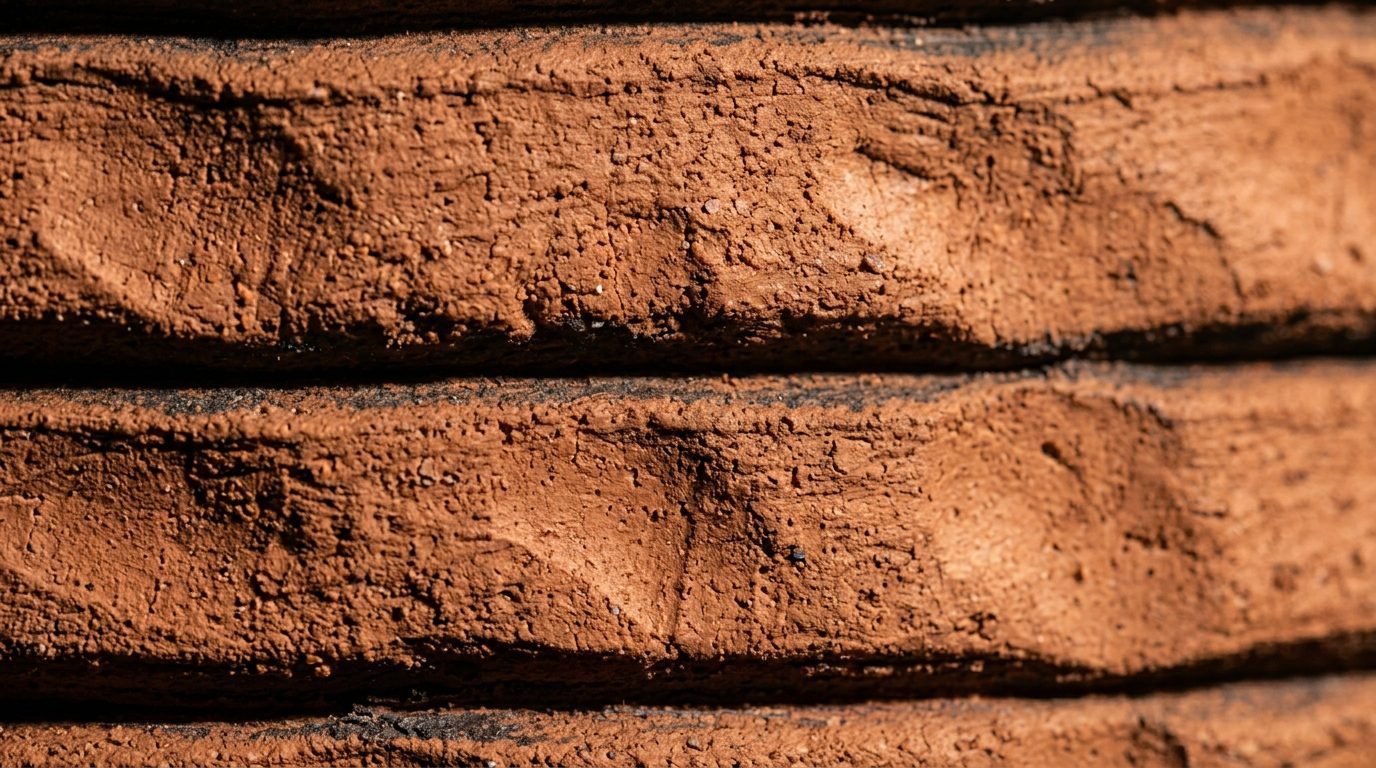
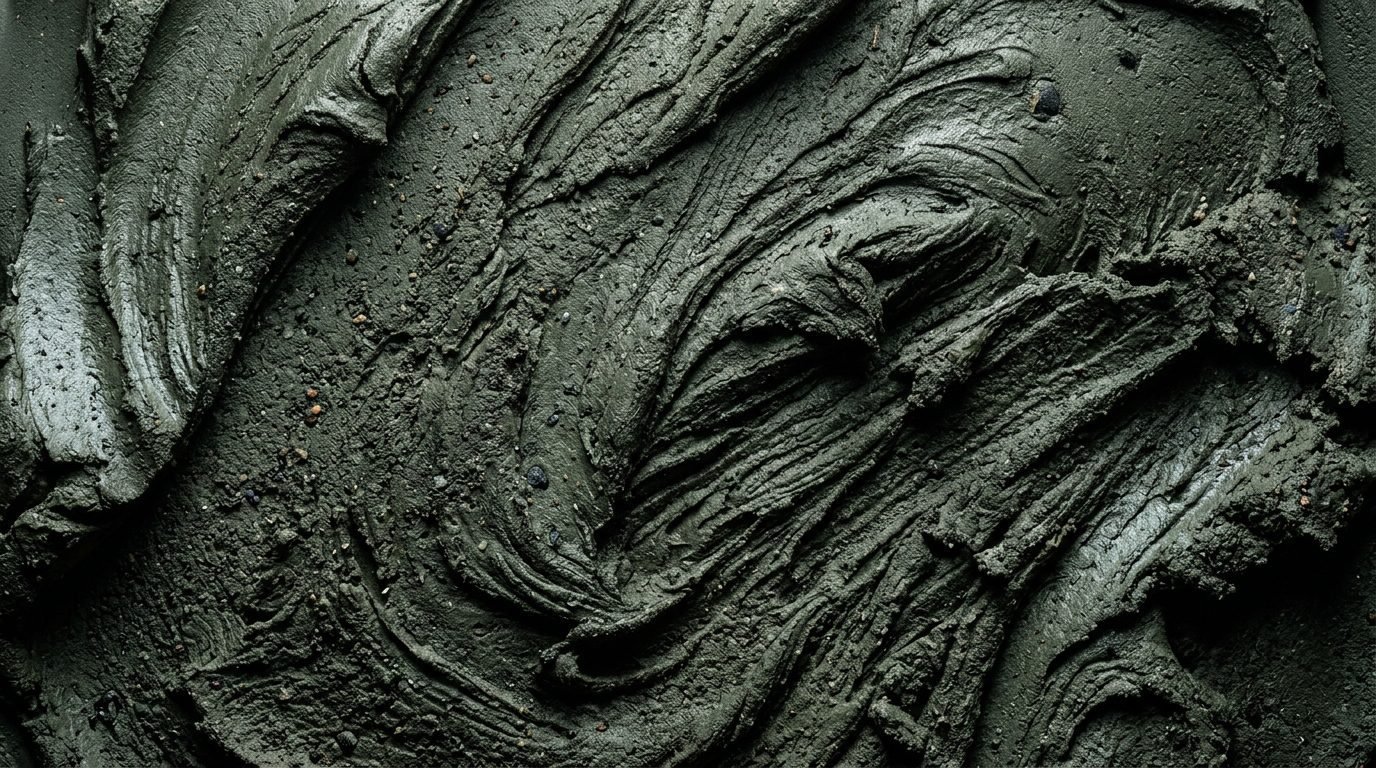
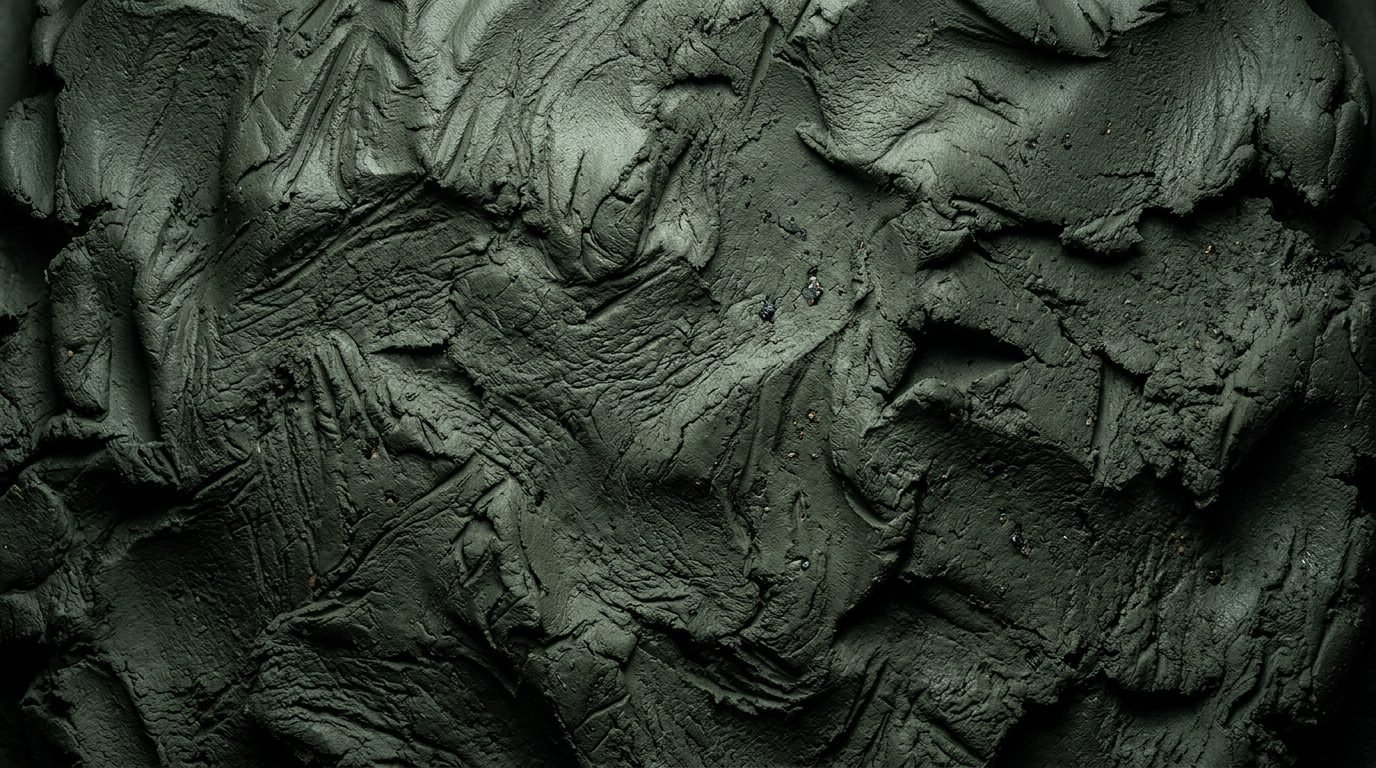
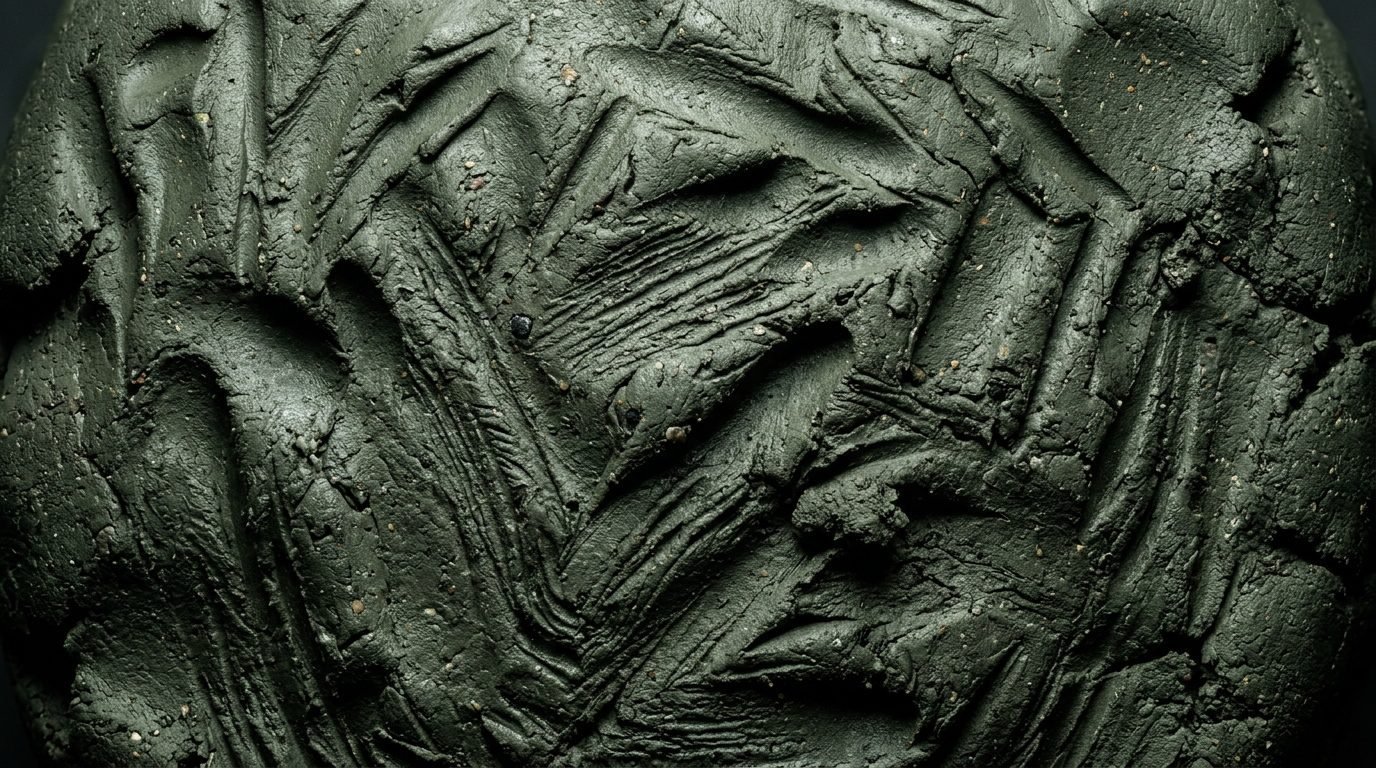
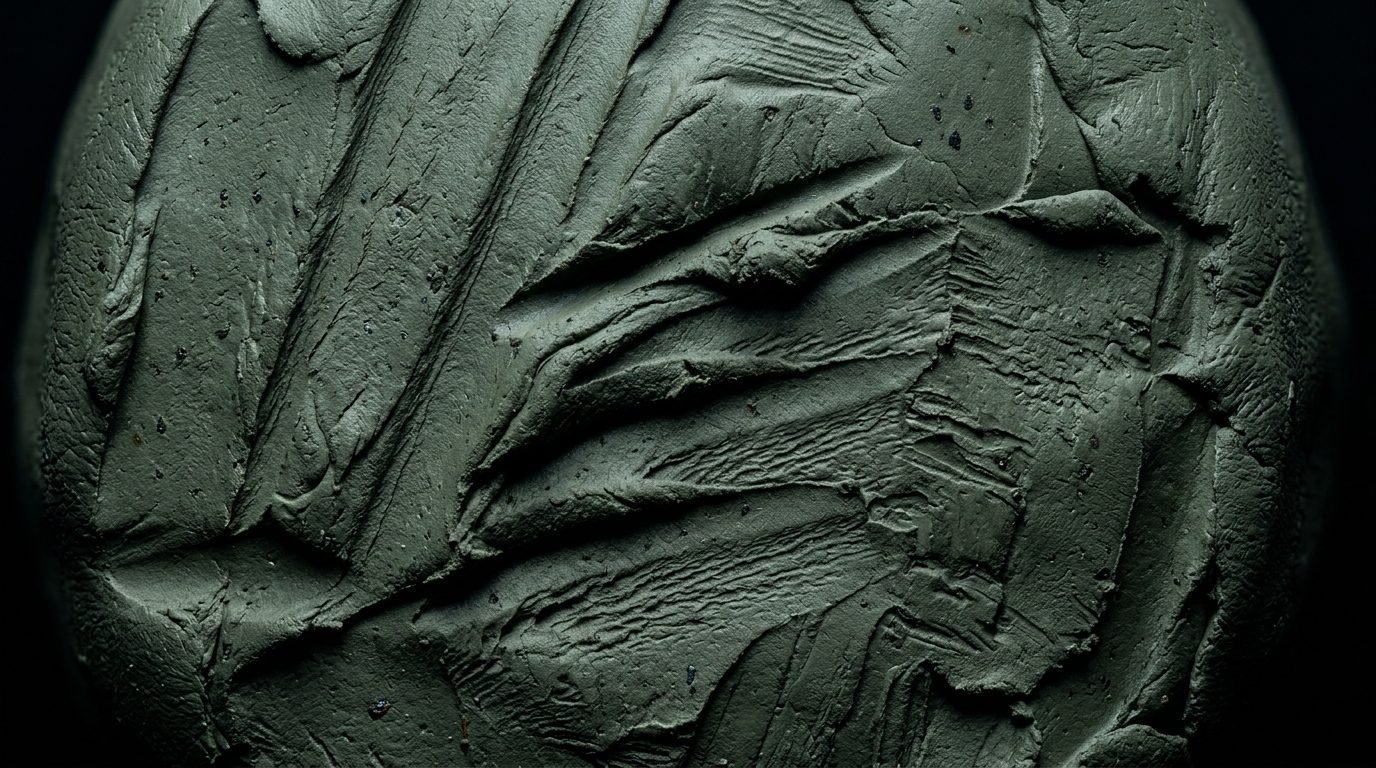
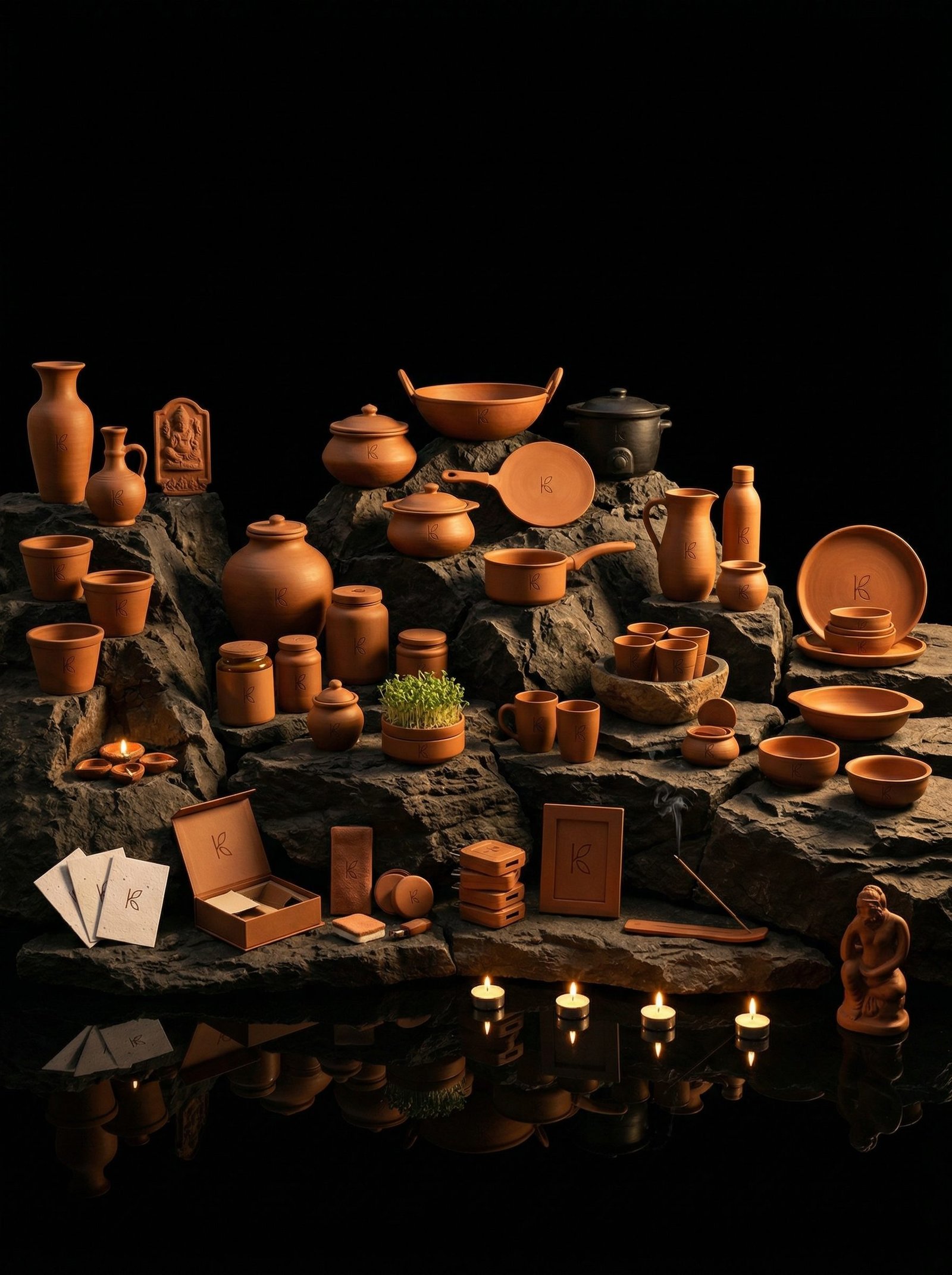
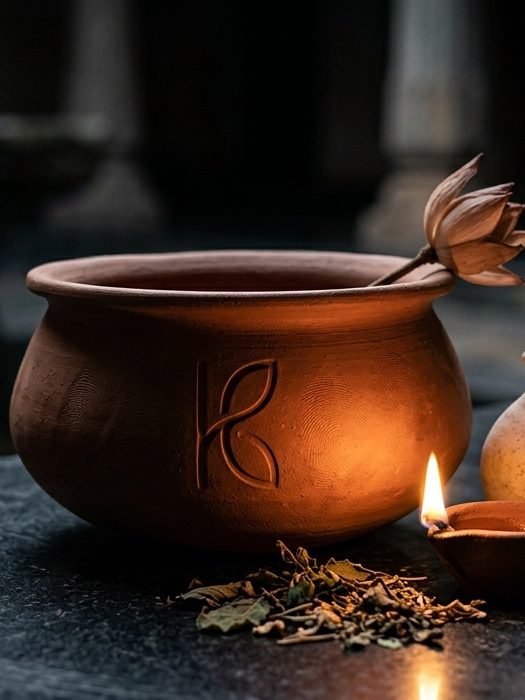
From the selection of raw clay at source to the final quality inspection before dispatch, every Klayvi piece passes through hands that have spent decades learning the language of this material. Each vessel is wheel-thrown never moulded, never mass-produced. Each wall is shaped with pressure and intention. Each firing is logged, timed, and verified.
What you hold is not simply a pot. It is the result of a process that respects both the ancient wisdom of the craft and the exacting standards of modern food safety science.
The
Art of
CLAY
Essential Functions
The
Wheel
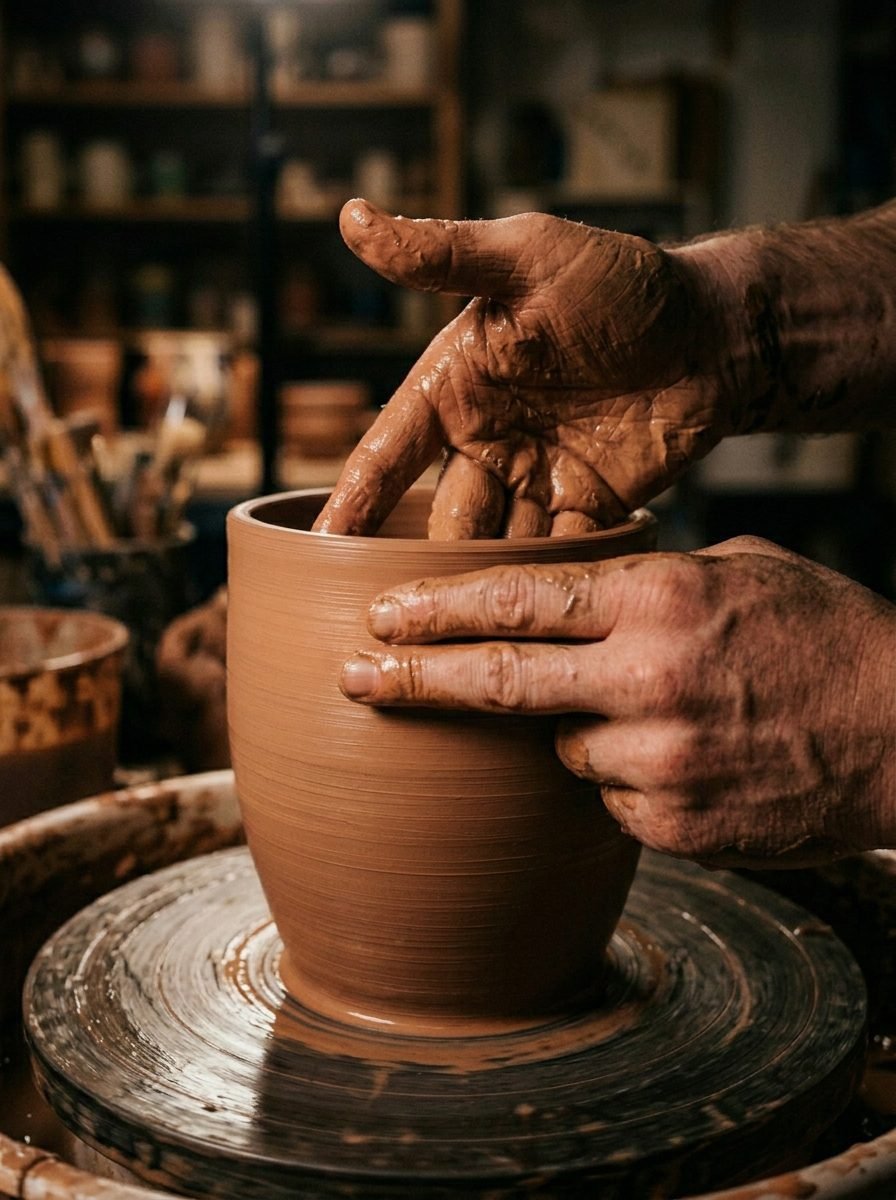
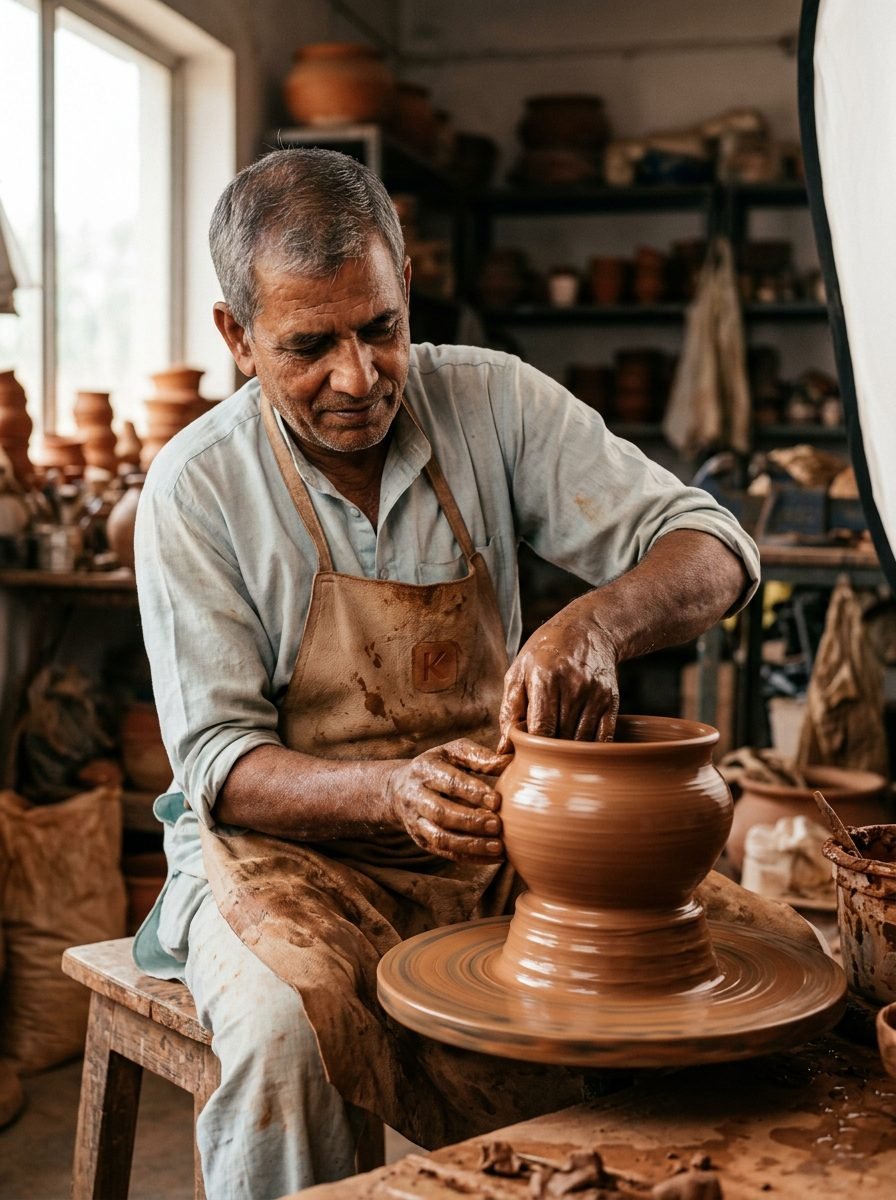
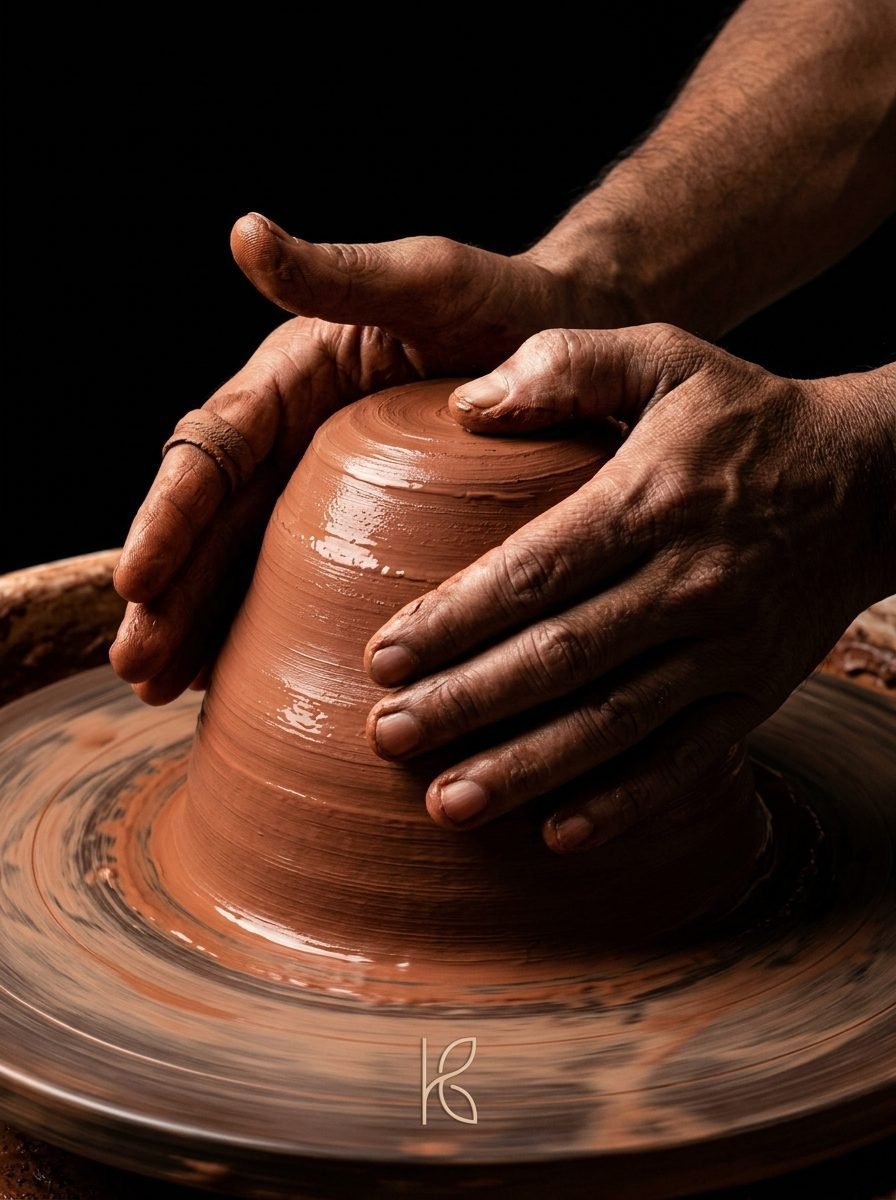
Every Klayvi vessel begins on a potter’s wheel the same tool, the same motion, that Indian craftsmen have used for over four thousand years. No moulds. No casting. A centred mound of clay, two hands, and thirty or more years of knowing when the wall is right. The slight variations you will find between pieces a millimetre of difference in height, a subtle variation in wall thickness are not imperfections. They are the fingerprint of the hand that made yours.
Essential Functions
The
Kiln
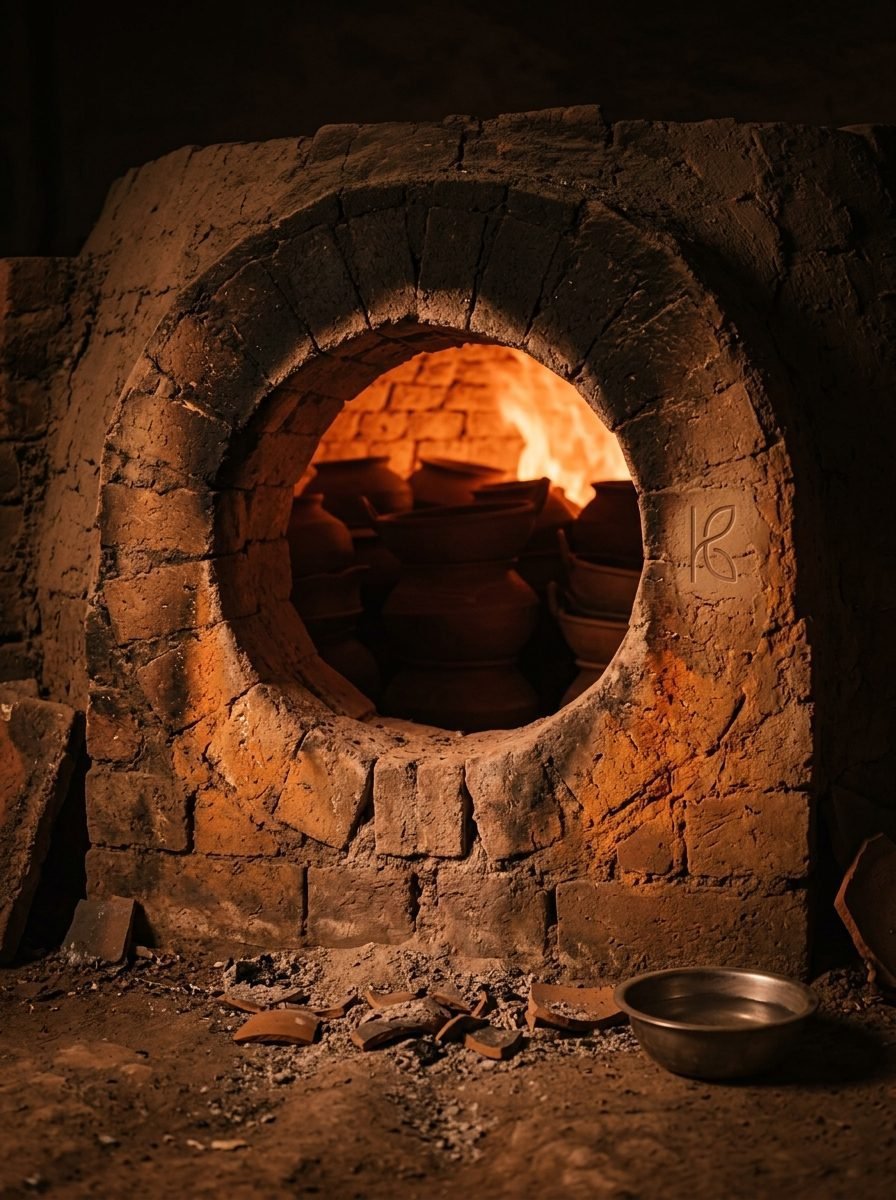
Once shaped and dried, each vessel enters the kiln at a temperature held precisely between 960 and 980°C a window that transforms raw clay into a food-safe ceramic without compromising the open porosity that makes terracotta cook as it does. Every firing is logged: start time, ramp rate, peak temperature, hold duration, cool-down curve. Nothing is left to approximation. The kiln is not where art ends. It is where material science begins.
Essential Functions
The
Seasoning
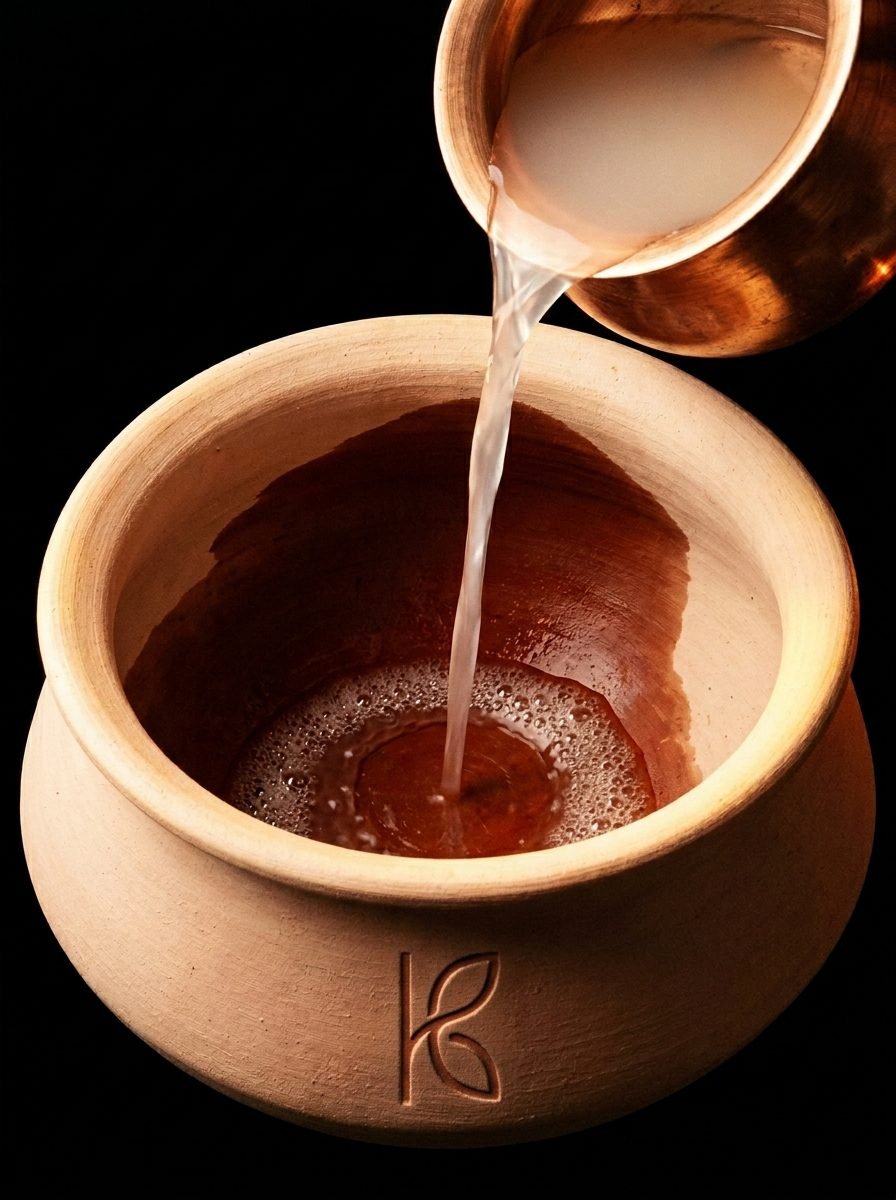
Before your Klayvi vessel meets heat for the first time, it requires a single act of preparation that cooks have practised for millennia: seasoning. Rice-washing water is poured into the vessel and brought slowly to a simmer the starch seals the pores, the oil that follows conditions the clay, and the material awakens. What takes thirty minutes in the kitchen is the beginning of a relationship that deepens with every use. A seasoned Klayvi vessel does not merely cook. It remembers.
Essential Functions
The
Seal
Every Klayvi piece leaves our workshop carrying a batch-specific QR code not as a gesture of transparency, but as proof of it. Scan it and you reach the actual laboratory report for that production batch: ICP-OES migration figures, XRF source analysis, firing log, artisan record. Our lead result: ≤2.1 ppm. The FSSAI legal ceiling: 90 ppm. The QR code is not a marketing device. It is a contract between the clay, the craftsman, the scientist, and you.
The
Science-Backed
DIFFERENCE
What sets Klayvi apart is not craft alone it is the marriage of ancient material wisdom and modern laboratory rigour. We don't simply claim our clay is safe . We measure it, publish it, and put a QR code on every piece so you can read the actual numbers yourself.
India has been cooking in clay for six thousand years. The knowledge was always there. What was missing was the verification a system that applied NABL-accredited laboratory standards to artisan-made Indian pottery, so that trust was no longer a matter of faith.
Klayvi’s testing protocol covers fifteen quality parameters across every production batch. XRF analysis on every raw clay source. ICP-OES migration testing on every finished product, using acidic food simulants at cooking temperatures. Batch-specific QR codes on every piece, linking directly to published reports before dispatch.
Our lead migration result: ≤2.1 ppm. The FSSAI legal limit: 90 ppm. The gap between those two numbers is deliberate, maintained, and non-negotiable.