
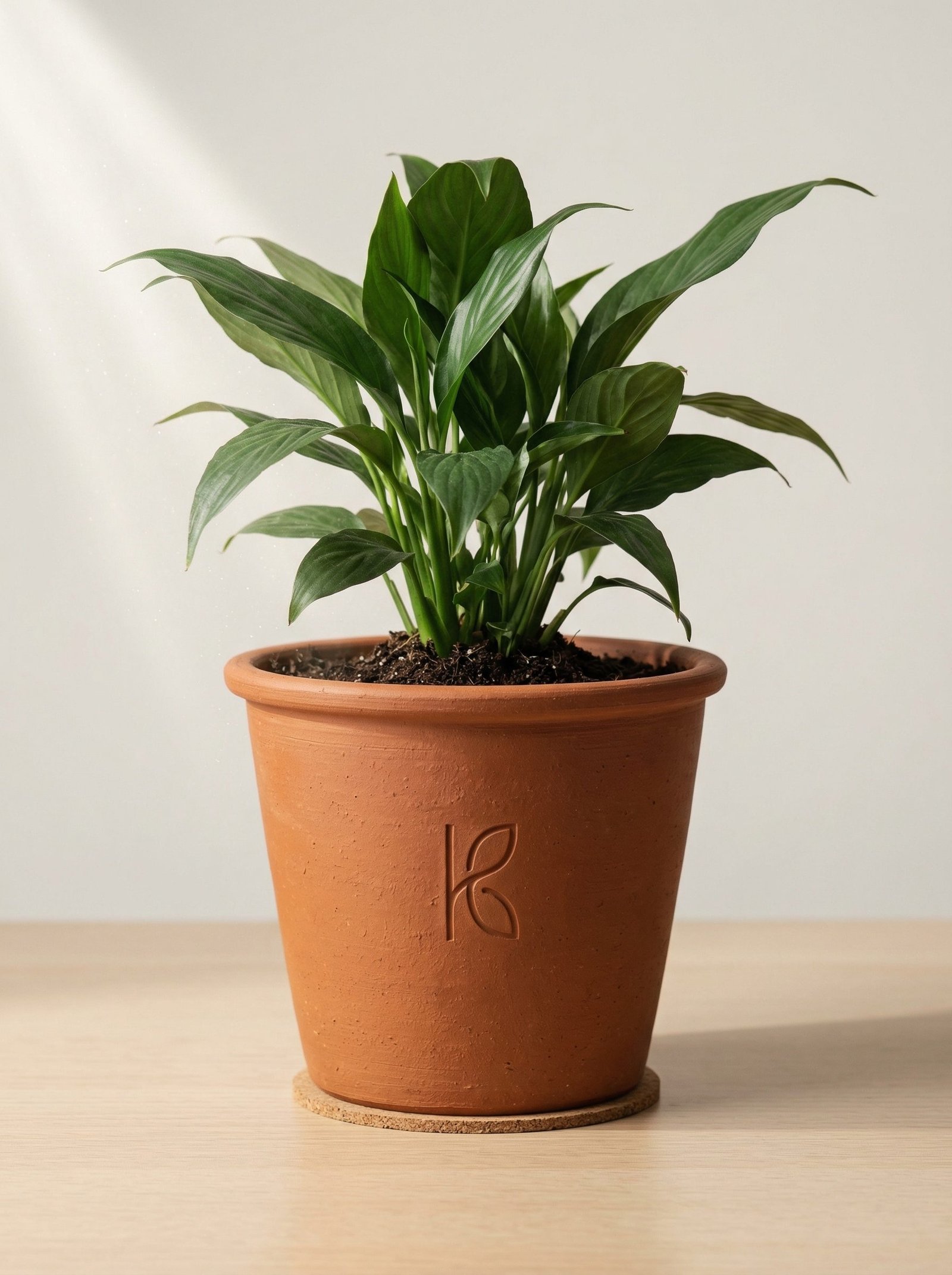
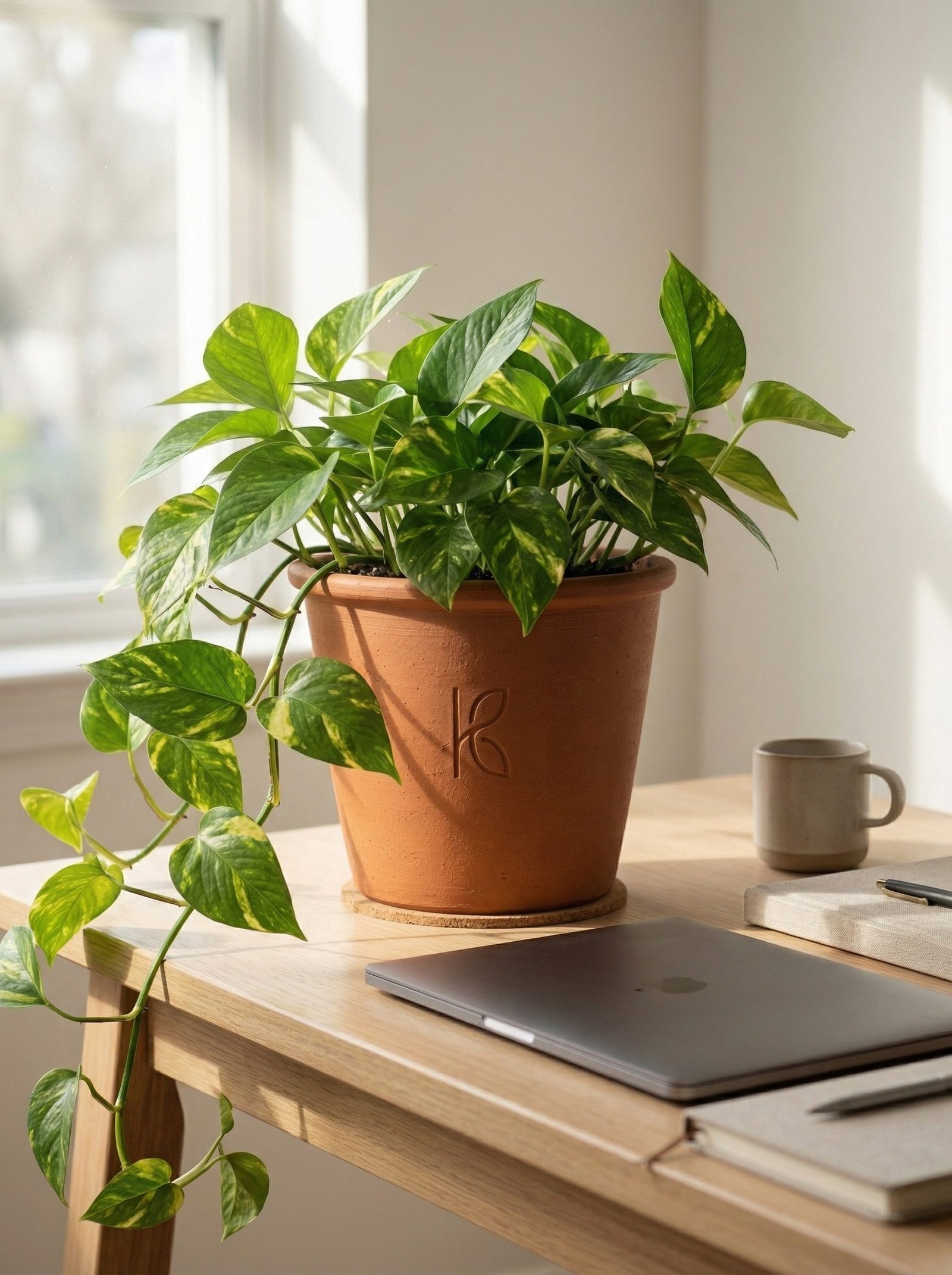
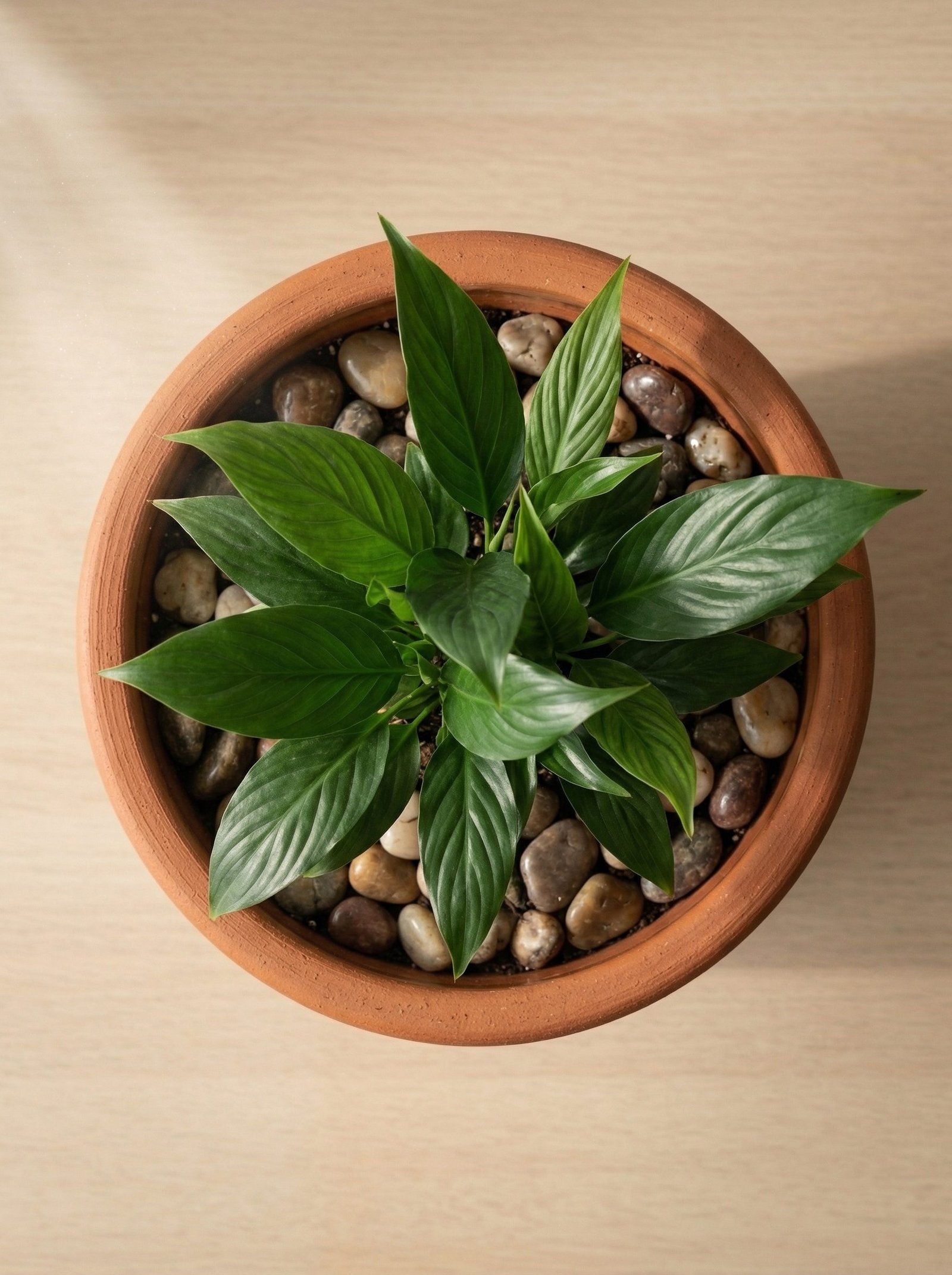
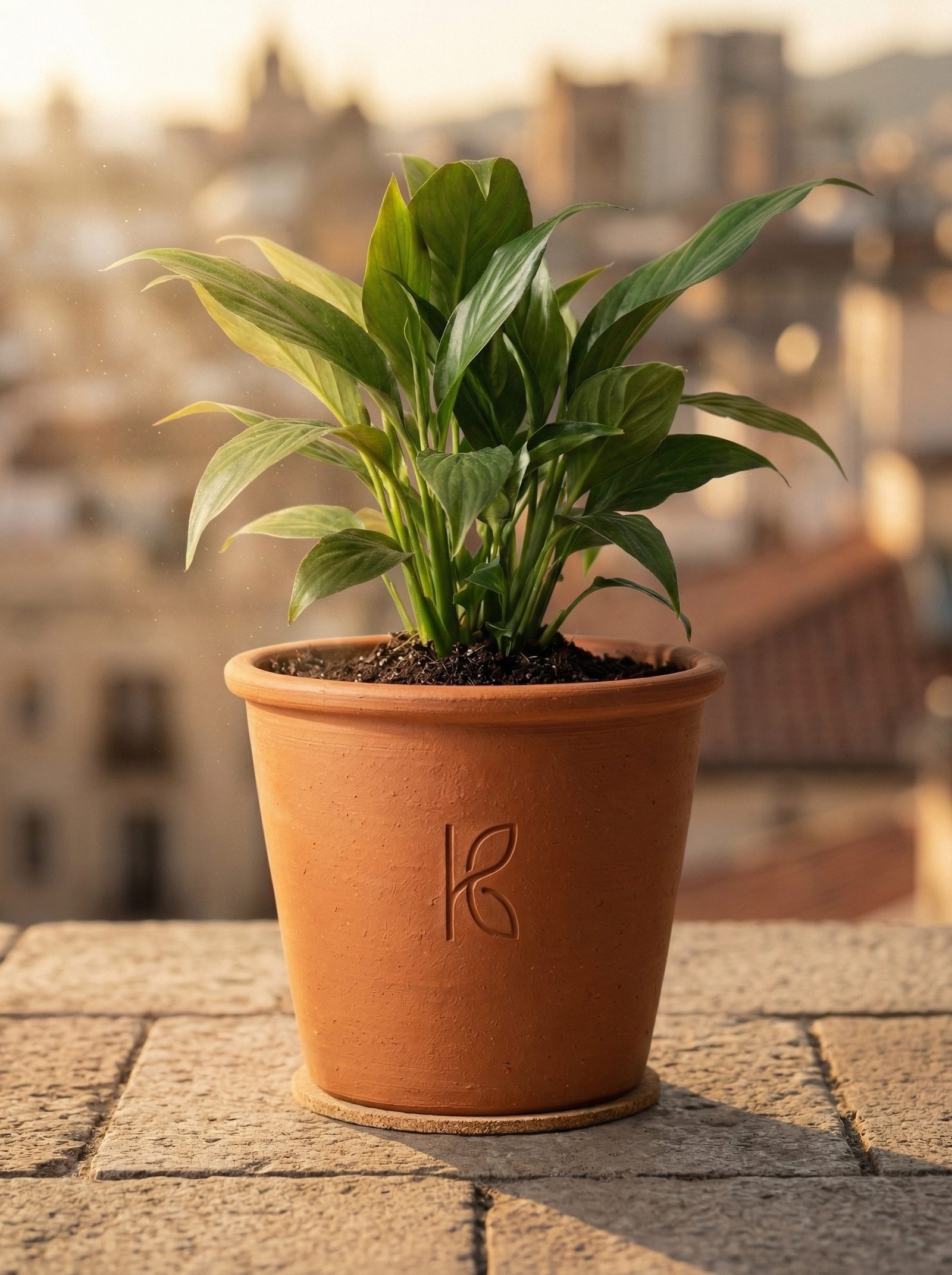
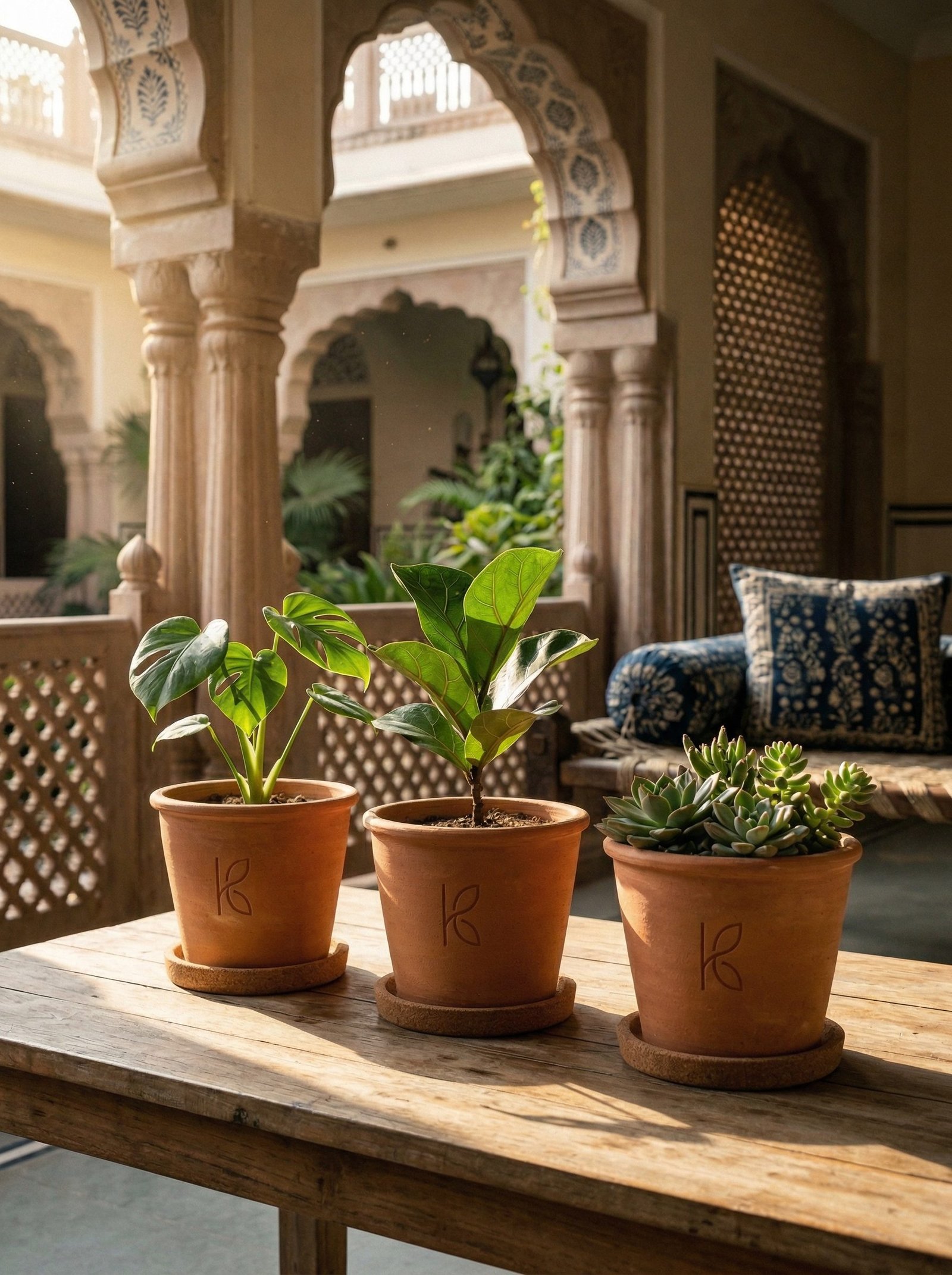
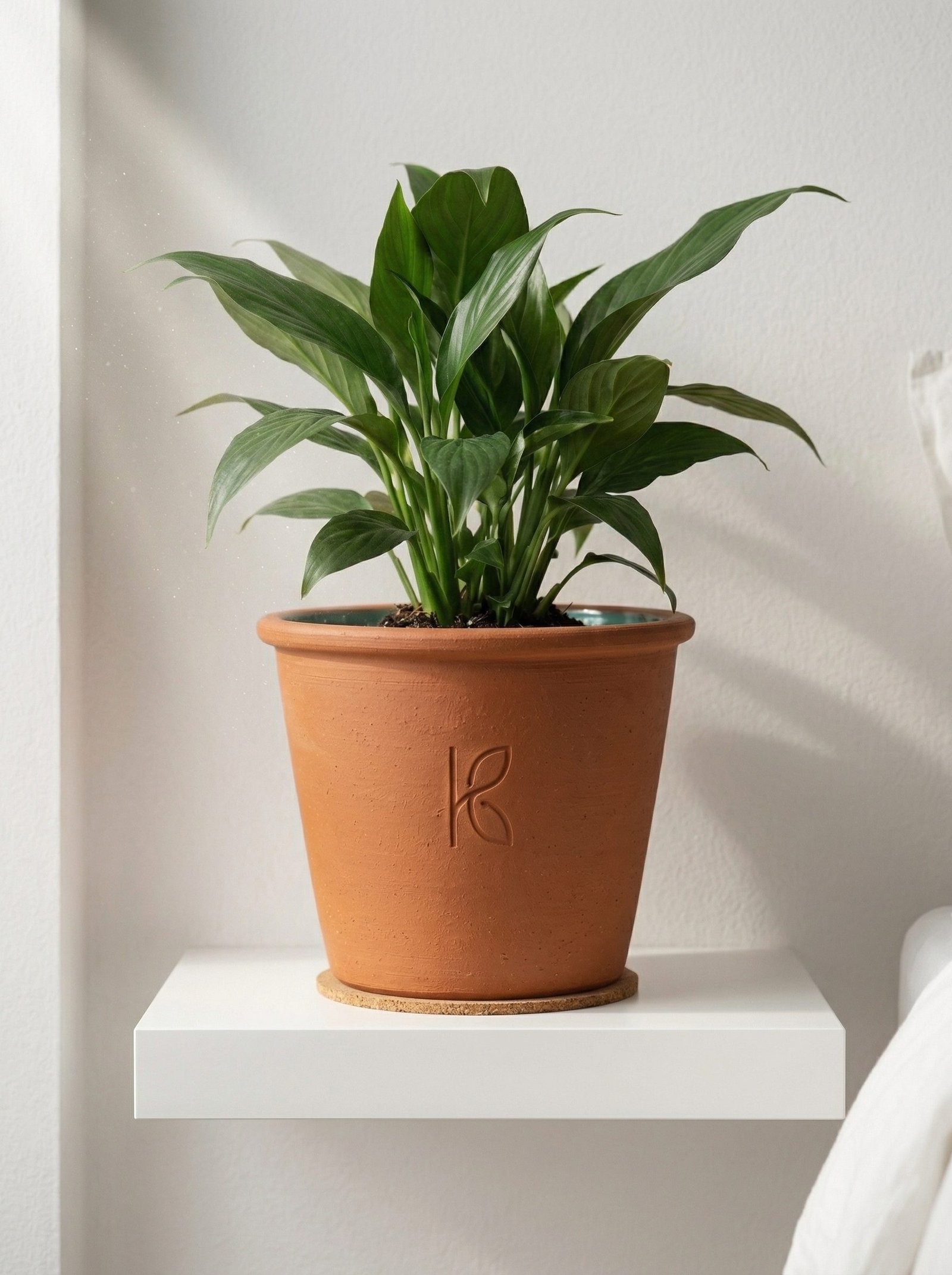
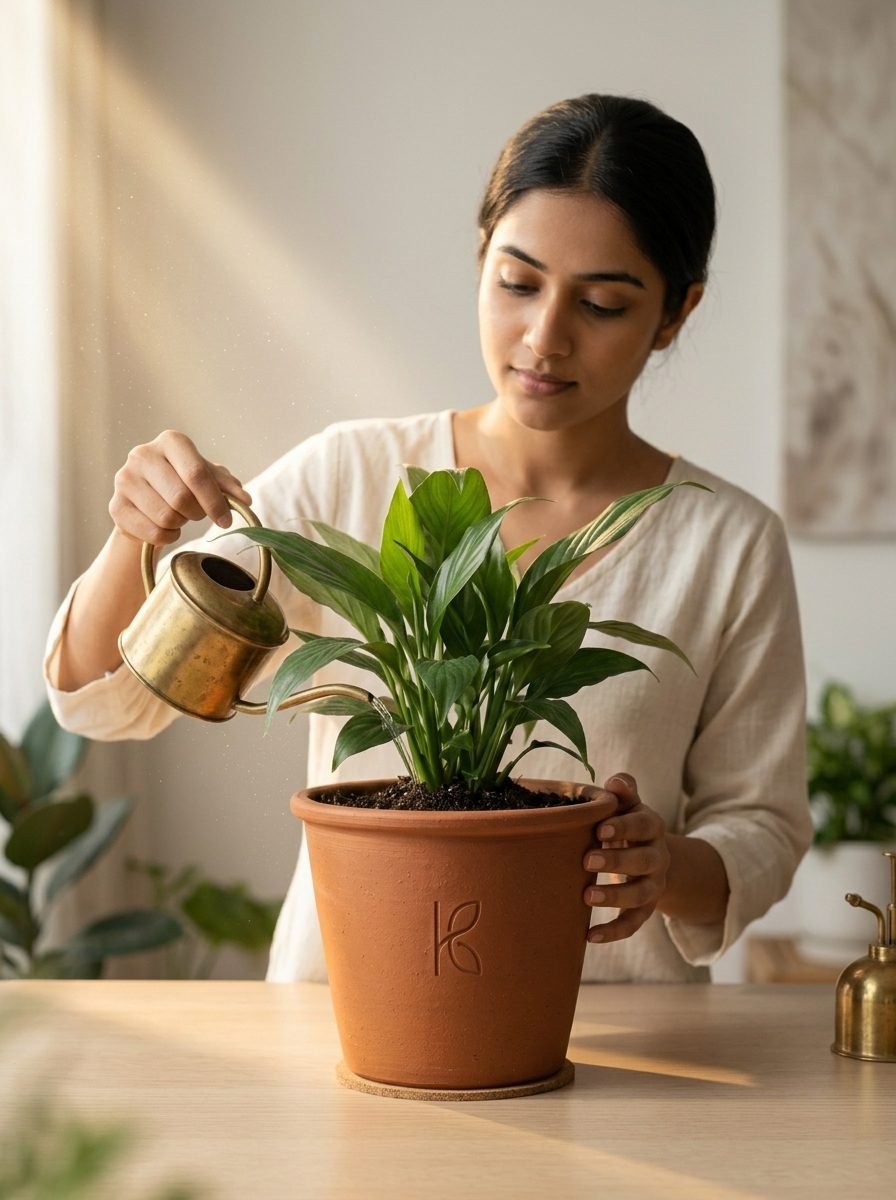
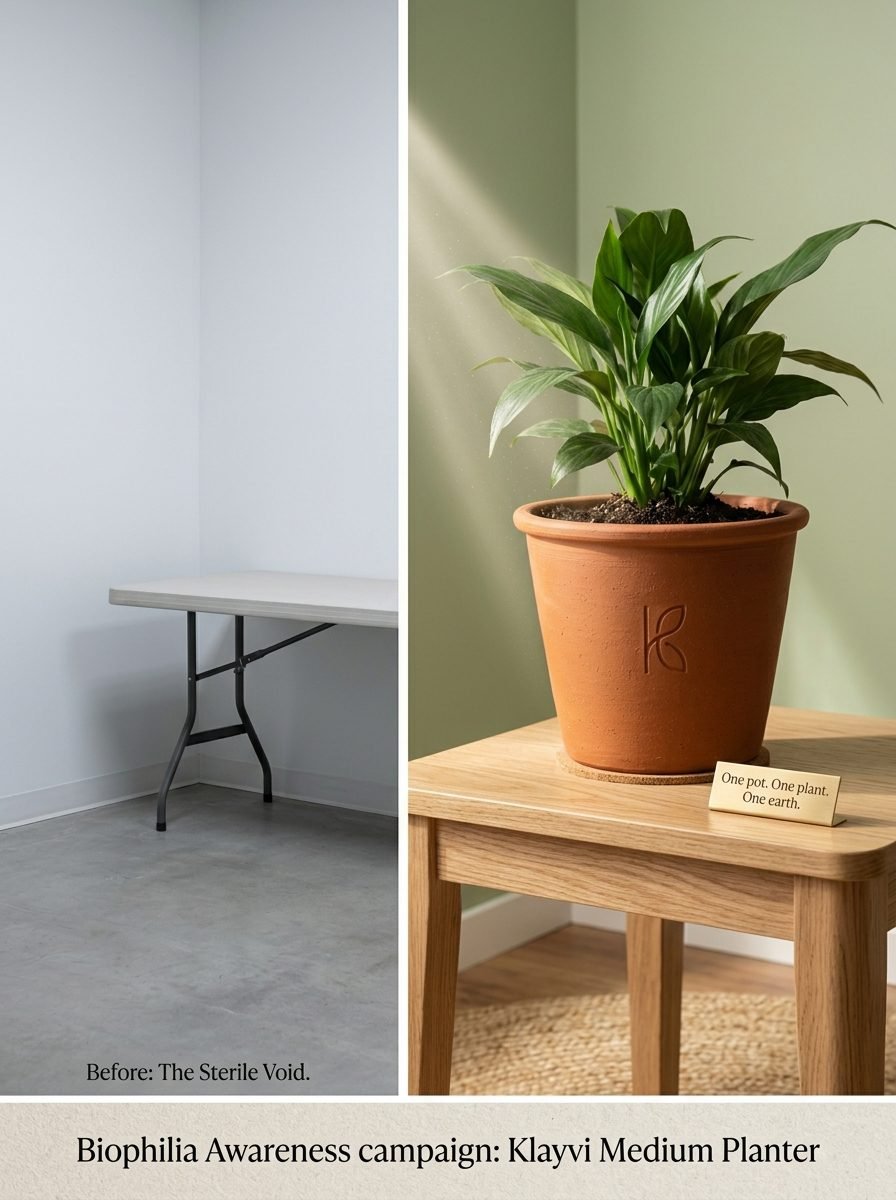
Biophilic Planter – Medium (18 cm)
Out of StockThe indoor plant at the right scale. In the right vessel. In the right material.
Terracotta Clay · 18 cm dia · SKU: KL-DC-002
₹799.00
| Material | Terracotta Clay |
|---|---|
| Size / Capacity | 18 cm dia |
| Induction Ready | NO |
| XRF Tested | YES |
| Sub-Category | Planter |
The indoor plant at the right scale. In the right vessel. In the right material.
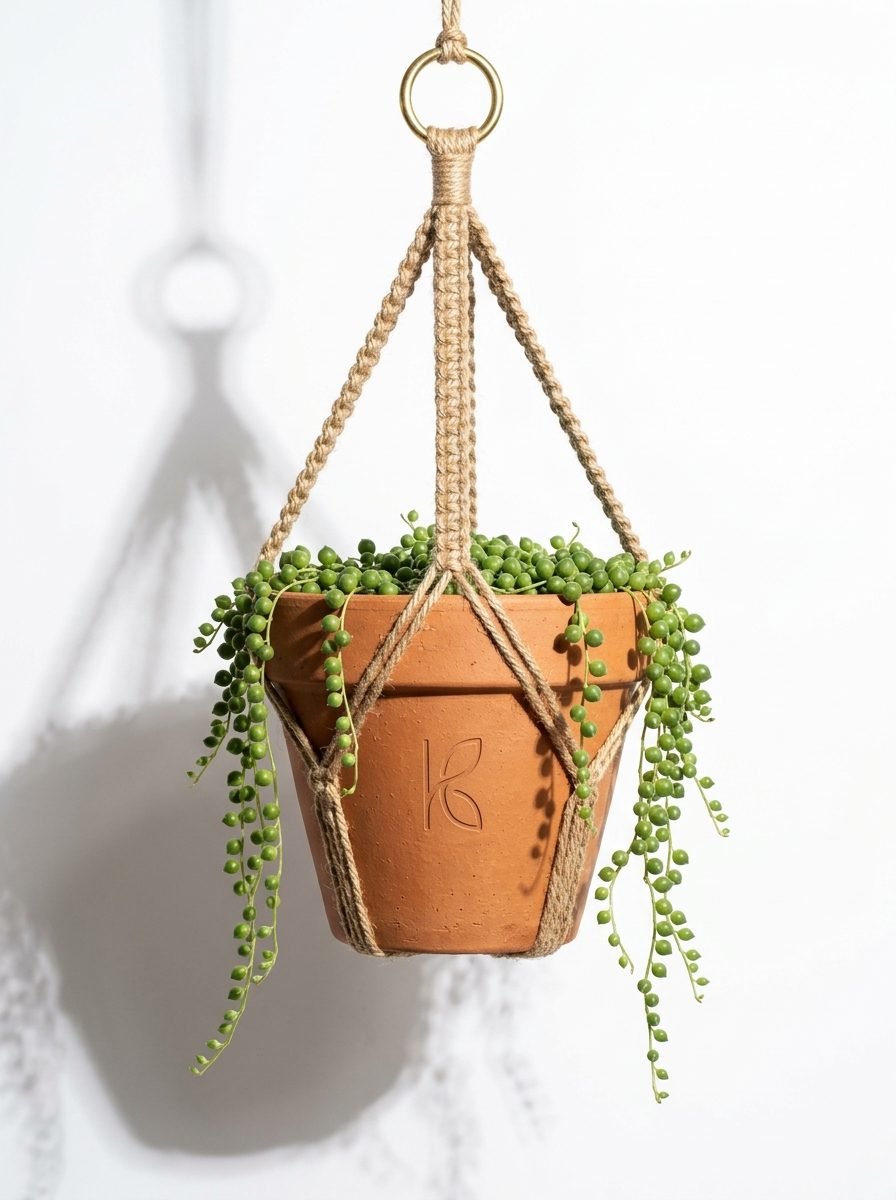
Our most popular planter size. 18cm is the standard size for the most common indoor plants in Indian homes — pothos, spider plant, peace lily, snake plant, small rubber fig. A classic tapered terracotta planter with drainage hole, cork tray, and Aqua-Lock interior below soil line. XRF-certified. The upgrade from the nursery plastic pot that the plant has been waiting for since you brought it home.
Key Features & Benefits
- Most Popular Indoor Plant Size: 18cm accommodates the root ball of pothos, spider plant, ZZ plant, peace lily, small snake plant, jade, small rubber fig, and most herbs at mature size. One pot for the most common household plants.
- Clay vs Plastic for Plant Health: Two specific improvements: (1) Clay’s oxygen permeability through the walls reaches plant roots, unlike sealed plastic. (2) Clay’s moisture absorption prevents overwatering — the leading cause of death for indoor plants. Plants in clay pots consistently develop stronger, healthier root systems than in plastic equivalents.
- Anti-Root-Rot Design: The combination of drainage hole, cork tray, and breathable clay walls creates the ideal drainage and aeration environment for virtually all common indoor plants. Root rot is essentially impossible in a properly managed clay-potted plant.
- Drainage Hole + Cork Tray: 14mm drainage hole for the 18cm diameter. Cork tray protects surfaces.
- XRF Certified: Batch QR on base.
- Natural Humidity Contribution: Clay walls release absorbed moisture slowly into the surrounding air — slightly raising local humidity around the plant. In dry air-conditioned rooms, multiple clay planters noticeably improve ambient humidity without a humidifier.
About the Material
The 18cm planter is the natural home upgrade for a plant that arrived in a nursery plastic pot. The root ball of a standard 15cm nursery pot fits precisely into the 18cm clay planter with 2–3cm of space on all sides for root growth. This is the ideal repotting increment: enough new soil for root expansion, not so much that the roots cannot reach it efficiently. The Aqua-Lock interior below the soil line is applied from the base up to the fill line to prevent mineral migration into soil. The exterior clay above the soil line and the full exterior surface breathe naturally. The pot breathes; the mineral boundary is protected. The Science Research on indoor plant health in clay versus plastic containers consistently shows that plants in clay exhibit: (1) lower incidence of root rot (clay drainage efficiency); (2) larger root mass per total plant weight (better oxygenation); (3) longer time between watering (clay moisture regulation smooths the wet-dry cycle). The practical result is a plant that requires less intervention, develops more robustly, and lives longer in clay.
Safety & Certification Standards
| XRF Analysis — Clay Source | Heavy metal screening on raw clay before production begins |
| ICP-OES — Finished Product | Parts-per-billion accuracy. Actual migration into food simulants tested |
| NABL-Accredited Laboratory | Internationally recognised test facility |
| FSSAI Food Contact Compliance | Meets India’s legal food safety standards |
| Per-Batch QR Report | Your batch. Your numbers. Published before dispatch. |
Lab Test Results
| Compound | Klayvi Result | FSSAI Safe Limit |
|---|---|---|
| Lead (Pb) | ≤ 2.1 ppm | 90 ppm |
| Cadmium (Cd) | ≤ 0.3 ppm | 0.5 ppm |
| Arsenic (As) | ≤ 0.4 ppm | 2.0 ppm |
| Mercury (Hg) | Not detected | 0.5 ppm |
| PTFE / PFOA / PFAS | Not present | Zero tolerance |
Caring for Your Klayvi
| 1 — First Use | Rinse with plain water. No soap on first use. |
| 2 — Daily Clean | Klayvi Wash Care (pH 6–8) or sisal scrubber + warm water. Never standard dish soap — it destroys seasoning at pH 9–11. |
| 3 — After Wash | Dry completely on low flame (cookware) or air-dry fully (decor/storage). Never store damp. |
| 4 — Monthly | Apply 4–5 drops cold-pressed flaxseed oil to cooking surfaces. Heat on medium-low until just smoking. Cool and wipe. |
| 5 — Never | Dishwasher · Microwave · Overnight soaking · Chemical detergents · Cold water on a hot vessel |
What’s in the Box
- Biophilic Planter 18cm (Aqua-Lock interior below soil line)
- Cork drainage tray
- Artisan provenance card
- Plant care guide
- Batch QR card
Frequently Asked Questions
Q: My pothos looked healthy but is now yellowing. Is the clay pot causing this?
Clay pots do not cause yellowing. The most common cause in a recently repotted plant is transplant shock (temporary, resolves in 2–3 weeks). If the yellowing persists: check watering frequency (water when the top 2cm of soil is dry, which is the same frequency as plastic but with a drier starting point), and check for drainage (ensure the drainage hole is not blocked).
Q: How do I know when to repot from the 18cm to a larger size?
When roots appear at the drainage hole consistently, or when the plant dries out within 1–2 days of watering (roots have consumed all the soil’s moisture-holding capacity). Upgrade to the 25cm planter at that point.
Q: Can I plant multiple plants in one 18cm planter?
Yes, for compatible species. Pothos and spider plant together, multiple small succulents, a herb combination (basil, thyme, rosemary). Ensure the combined root mass fits without crowding — 18cm comfortably accommodates 2–3 small plants or 1 medium plant.
Q: Does the natural clay colour fade over time?
The clay exterior develops a patina rather than fading. The terracotta colour may darken slightly where the clay is regularly moist, and the minerals in your local water may create a white film (efflorescence) on the exterior over time. This is harmless and wipes off with a damp cloth.
Q: Is the 18cm planter suitable for a peace lily?
Yes. Peace lilies prefer the moisture regulation that clay provides — they are sensitive to both overwatering and underwatering, and clay’s buffering smooths these extremes better than plastic. Water when the lily’s leaves begin to droop slightly (the plant’s signal that it needs water); the clay will help you read this signal more clearly than plastic.
Q: Can I use the 18cm planter as a gift?
Yes — the most meaningful version: fill with soil, plant a small pothos or money plant, add a handwritten note. The gift of a living plant in a certified clay pot is one that grows.
Related products
-
Out of Stock

-
Out of Stock
-
Out of Stock

Reviews
There are no reviews yet.